
Long before search engines had answers, people found them through stories. They learned about where things came from, why a place looked the way it did, and what gave a dish its unforgettable taste. It’s basic curiosity, and it would always point inward, toward home and family.
Somewhere along the way, our curiosity moved toward strangers, feeds, and likes. We’re living in an age where breathing might be the only thing that doesn’t require a screen, and in that shift, and became easy to believe that a bigger digital footprint is what leaves a lasting mark.
Except a digital footprint isn’t a story.
As trends come and go, it’s worth asking what will become of your story. There is more to your origins, how you were raised and the specific lens handed to make sense of the world before you could name the colors in it.
That lens is family.
Photos can capture a moment, but they can’t capture what it feels like to return to your hometown after years away and see familiar streets through adult eyes instead of a child’s. They can’t hold the memory a single family dish brings back with its first bite, or the stories and emotions that surface before the moment quietly slips away again.
Why Do We Know TV Families Better Than Our Own Family Tree?
Here’s a little test: could you sketch your favorite TV family’s tree from memory? Who married who, who were best friends, who came back for the wedding anyway?
For most people, yes easily.
It’s a different story when it comes to one’s own family tree. 7 out of 10 people can’t name all four of their grandparents or describe what any of them were actually like. That’s because a fictional family we watched for entertainment was easier to know than the real family history that made us who we are.
Memory was never the gap but access to your family’s stories.
It’s hard to feel connected to a story that was never told, a home that was never truly known, or a person remembered only as “grandfather.” But the more someone uncovers their family history, the more meaningful those people and places become. And that sense of disconnection rarely ends with one relationship; it’s part of something much larger.
Why Does Loneliness Make Family Connection More Important Than Ever?
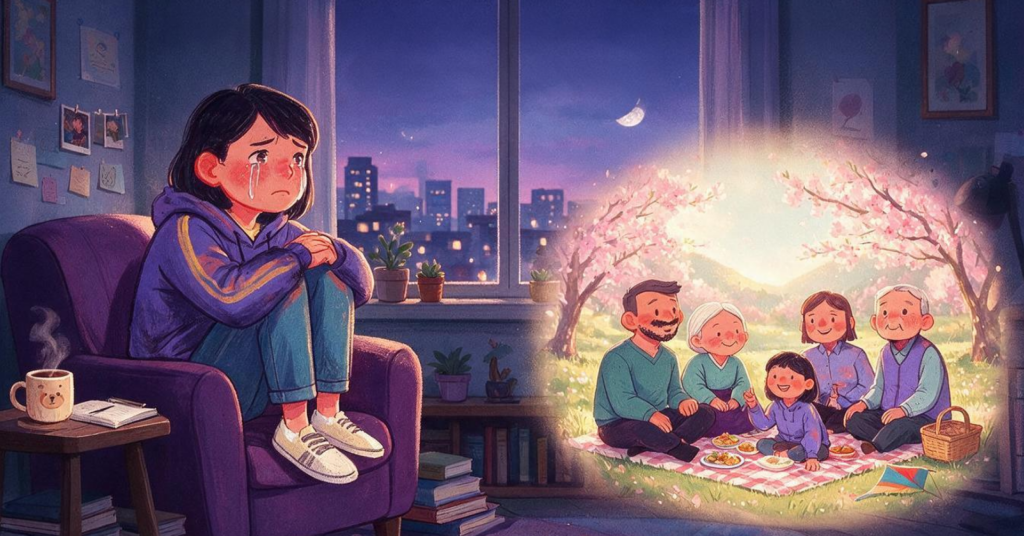
Loneliness makes family connection more important than ever because the habit of showing up for one another is fading. According to the World Health Organization, 1 out of 6 people worldwide experience loneliness, with significant consequences for both physical and mental health. Community has always been important and how we survived, but modern life makes solitude effortless. Meals, workouts, shopping, and even worship can happen without ever leaving home, making it easier than ever to live without regular human connection.
That isolation shapes how people see others. They often assume strangers are less warm or trustworthy than they really are, especially those who seem different. Yet face-to-face interactions consistently reveal a simpler truth: most people are more alike and more welcoming than expected.
Family has traditionally existed outside this pattern. Unlike most relationships, it was never built on convenience but on consistently showing up for gatherings, traditions, and even difficult conversations. Those shared moments strengthened more than family bonds; they reinforced the habit of connection itself.
When that habit fades, the loss extends beyond relationships with relatives. It weakens the instinct to stay connected with others, and with time, the stories, traditions, and memories that define a family begin to fade as well.
What Is the Nostalgia Paradox and Why Does It Matter for Family History?
The nostalgia paradox refers to the bittersweet nature of nostalgia, where recalling the past evokes both joy and sadness at once.
But how does one miss a story they were never told?
People often feel nostalgic for a world they remember from ten or fifteen years ago, but it’s far harder to long for a time that existed before they were born, unless those memories are kept alive.
Nostalgia is a soft, sentimental feeling and a reminder of what your life has looked like, along with a preview of what it might look like again. When family stories aren’t passed down, memories become a blank space where a story used to be. And that blank space is more than just missing information. It’s a missing piece of you.
How Does Family Shape Your Identity?
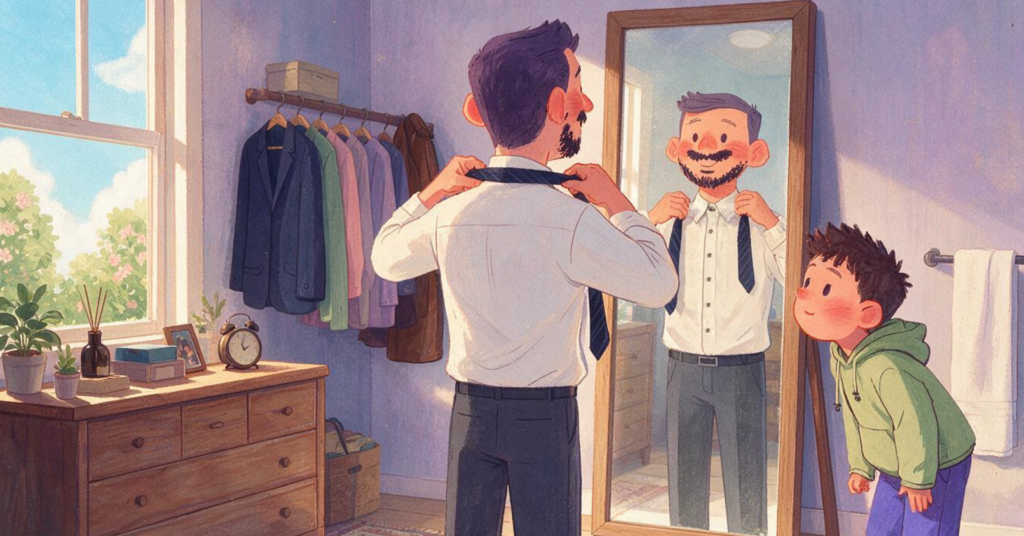
At some point, someone has probably told you that you laugh like your father, sound like your mother, or argue just like your grandfather. It may have made you smile or cringe but you probably never forgot it. Not because it was about you, but because it reminded you that you’re part of something bigger.
That’s how family shape’s identity. It means more than the traits you inherit because the stories and traditions give them meaning. As children, many of us wanted to grow up to be like the people we admired in our own family. Those small moments stay with us, quietly shaping how we see ourselves and where we feel we belong.
Preserving that connection doesn’t require anything extraordinary. It starts with asking simple questions: Who’s in that old photograph? Why is this recipe made this way? What stories haven’t been told yet?
The people who hold those stories are still here, for now. Time has a way of closing doors without warning, and some questions can only be answered once. Technology can’t replace those moments, but it can help preserve them.
That’s what makes 2026 different: you still have the chance to save the memories only your family can share.