Top 7 ways to save your family’s photos and stories
Every family has a box full of memories.
It might be old photographs, wedding invitations, school marksheets, handwritten recipes, or letters.
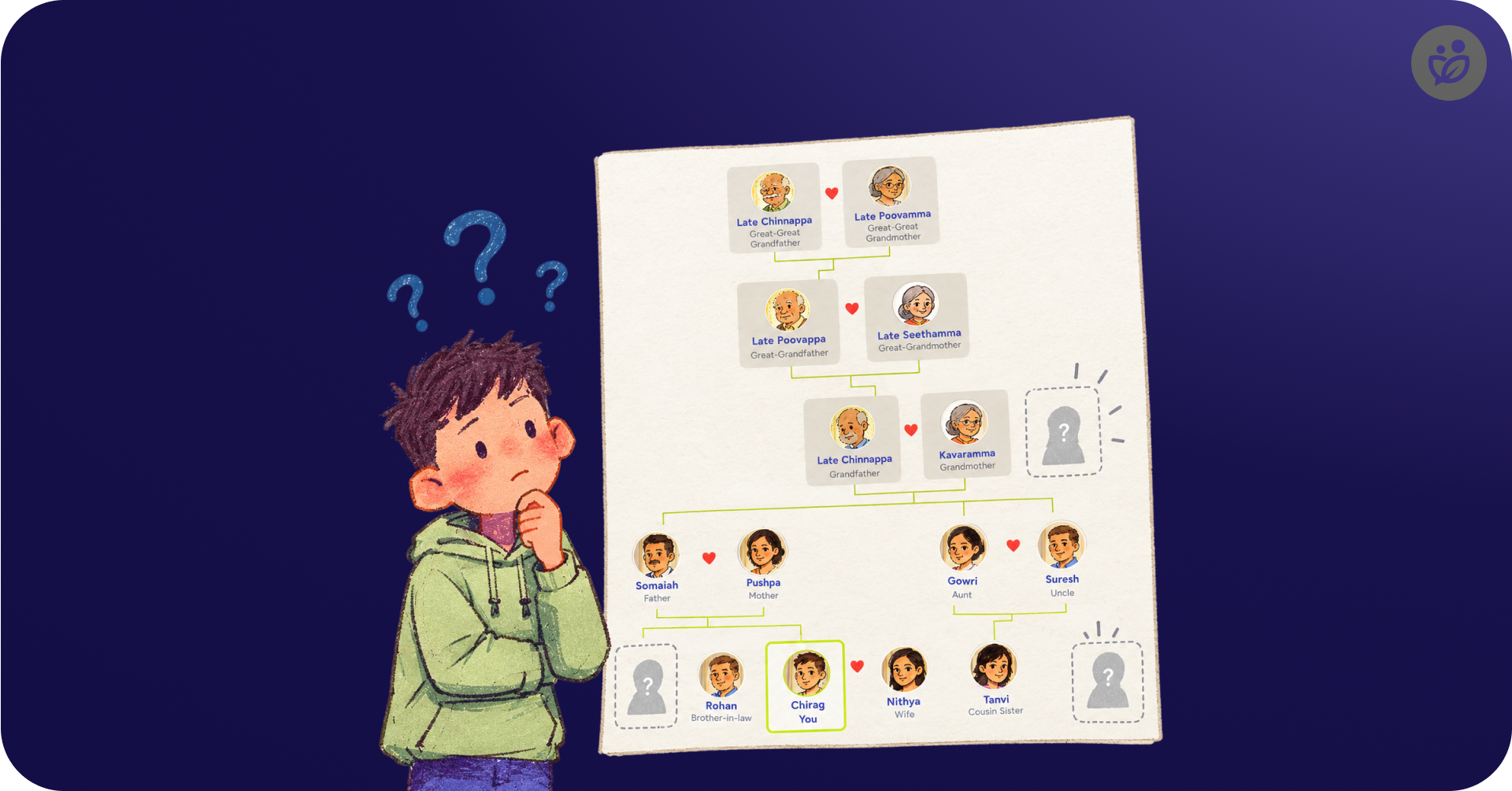
You might recognize the faces in the photograph, but do you know the story behind the photograph?
The strange thing about family memories is that, sometimes the photograph survives, but the story around it doesn't and when the story is forgotten, the photograph slowly becomes just another picture.
Saving your family's memories is about making sure that doesn't happen.
1. Start with photographs you already have
You don't need to begin by creating a perfectly organised family archive.
Start with what is already around you.
Open the old cupboard. Find the albums. Look through your phone.
Ask your parents what they have saved. Check the old laptop that nobody uses anymore.
Ask a Grandparent if they have photographs tucked away somewhere.
You will probably find more than you expected. Some families have decades of photographs spread across albums, phones, memory cards, computers and messaging apps.
You don't have to save everything, start with the photographs your family would never want to lose.
1. Before you save the photograph, find the story
This might be the most important part, don’t just save a photograph, be curious to know who is in it and what’s the story behind it.
You may discover that the photograph you've seen for years was taken on your Grandparents first trip together or that the man standing in the corner was a relative nobody talks about anymore or that the house in the background was once the place where the whole family gathered every summer.
The Library of Congress points out that family photographs can act as records and clues, helping us understand the lives, relationships and communities behind the people in them.
So, when you find an old photograph, don't just save the picture, save what your family remembers about it.
1. Give old photographs a new life
Some photographs have survived for decades, but that doesn't mean they will survive forever.
Paper photographs can fade, discolour, tear or become damaged by heat, moisture and light.
Digitising old photographs can make them easier to view and share without repeatedly handling the originals.
So, scan the wedding photograph, digitise the picture of your Grandparents when they were young.
Save that photograph of your parents as children, then take care of the originals too.
You are preserving two pieces of the same family memory.
1. Save the voice behind the photograph
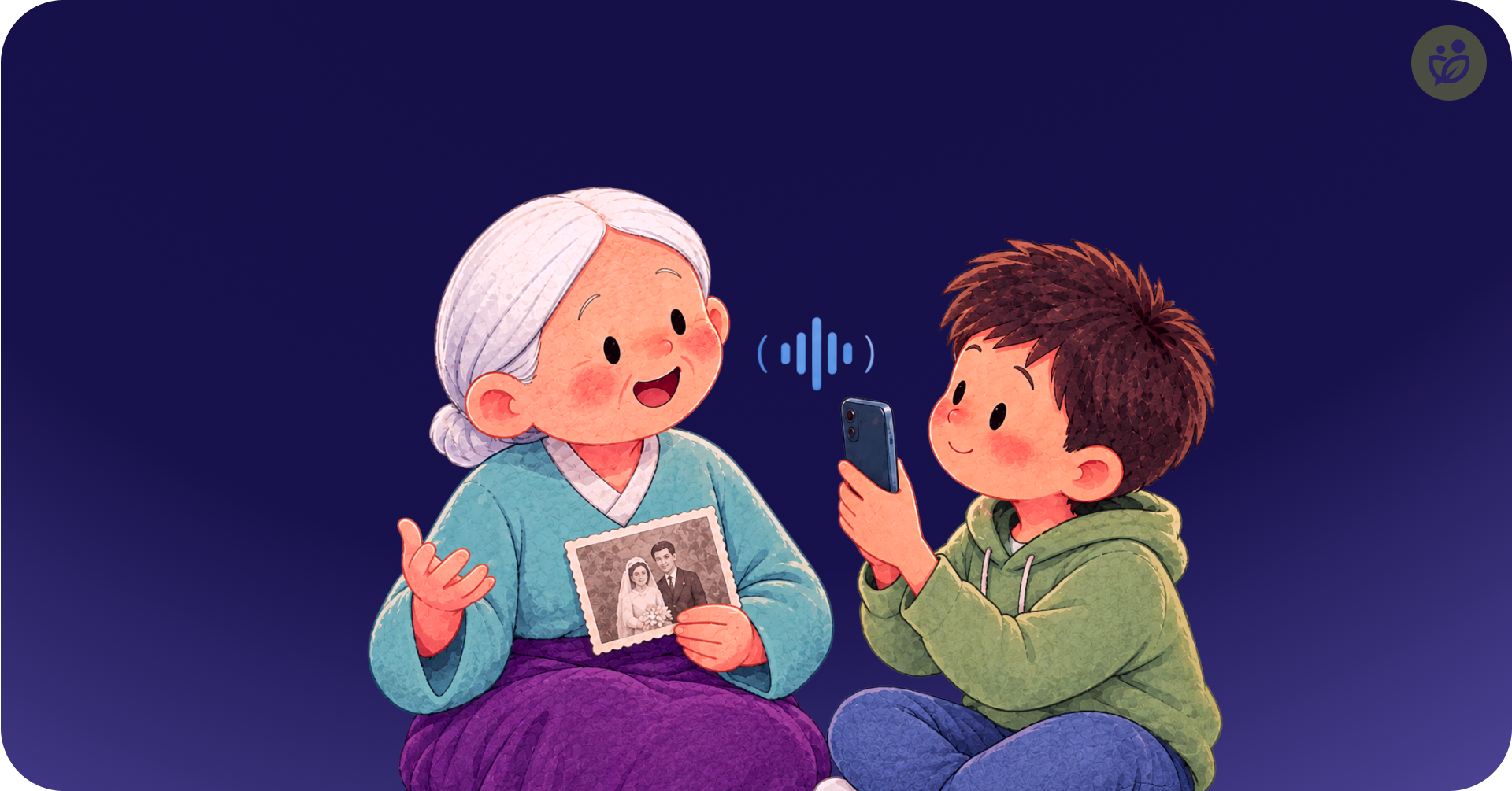
A photograph can show you what someone looked like and a recording can remind you who they were.
Ask your grandfather to tell you about his first job.
Ask your mother about the home she grew up in.
Ask your grandmother about the festival she loved as a child.
Record all these stories for.
It doesn't have to become a formal family documentary. It could be a five-minute conversation while having tea.
A voice note after dinner.
A quick recording while looking through an old album together.
One day, that voice may be more precious than the photograph itself.
You may forget the exact words they used, you may forget the little stories they told. But hearing their voice again can bring back a feeling that a photograph alone cannot.
Lifetree’s approach to family preservation puts the same emphasis on keeping voices, stories and memories together rather than treating photographs as isolated files.
1. Put the story next to the memory
Imagine finding your Grandparents wedding photograph fifty years from now.
Now imagine finding that same photograph with a note from your Grandmother explaining what happened that day.
Maybe she remembers what she was wearing, maybe she remembers who travelled for the wedding and maybe she remembers something funny that happened before the ceremony.
The photograph shows you a moment, the story tells you why that moment mattered.
That is why the small details are worth saving.
The date. The place. The people. The family joke.
6.Don't keep your family memories in just one place
Your phone isn't a family archive.
Neither is one laptop. Neither is one hard drive.
Devices fail. Files get deleted. Old computers stop working. Accounts get forgotten.
The National Archives recommends keeping multiple copies of important digital photographs and storing copies in different locations. It also recommends checking files periodically and creating new copies when necessary.
It may sound like a small precaution.
Until the day a hard drive stops working and you realise the only copy of your family's photographs was on it.
So, give the memories you truly care about more than one chance to survive.
7. Make preserving memories something the whole family does
The easiest way to keep a family story alive is to stop treating it as one person's responsibility.
Your grandmother might have the recipes.
Your father might have the wedding photographs.
Your cousin might have old videos.
Your aunt might know the story behind the family tradition everyone still follows.
Your children might have photographs from the family holiday last summer.
Everyone has a piece of the story. When everyone contributes, something interesting happens.
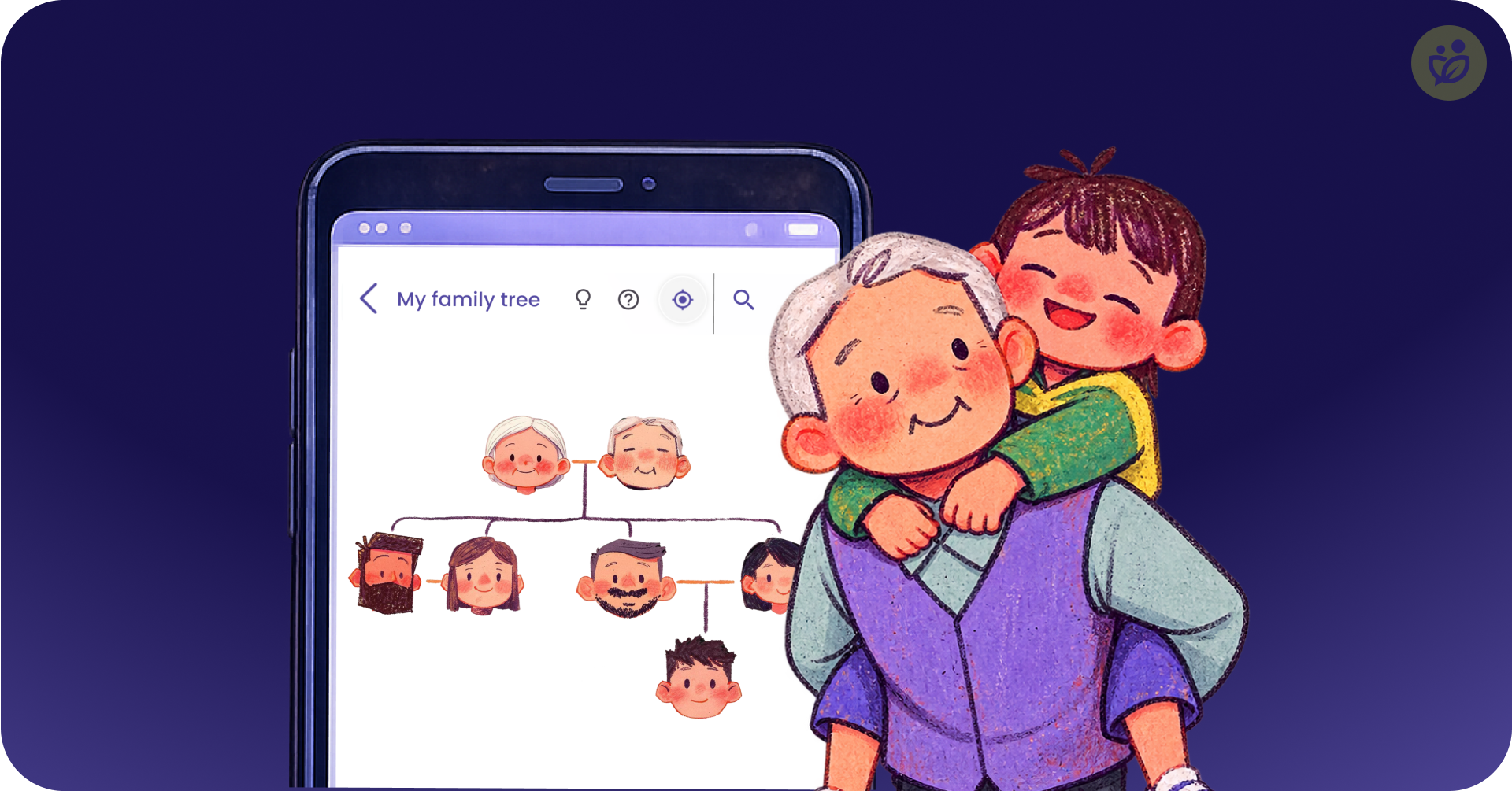
The family archive stops being a collection of old photographs and starts becoming a living family story, that is the idea behind LifeTree.
It gives families a private space to build their family tree, share photographs and videos, preserve stories and recipes, document traditions and keep meaningful memories together.
Families can contribute across generations, so the tree and the story continue to grow over time.
It isn't about creating a perfect archive, it is about creating a place where your family can keep adding new memories.
Years from now, a child may find an old photograph and point at a face, asking, "who is that?", you could shrug and say, "I don't know” or you could tell them the story.
You could tell them where that person lived, what they were like, why everyone was together that day and how they became part of your family's story.
That is the difference between saving a photograph and preserving a memory.
Start preserving your family today
Free to start, private forever. Available on mobile and web.